Exploring History and Poetry with ‘Where the Heart Should Be’ by Sarah Crossan
- Learning level
- Third, Fourth, Senior
- Genre
- Fiction
- Curriculum area
- Literacy & English, Social Studies
- Year published
- 2024
Overview
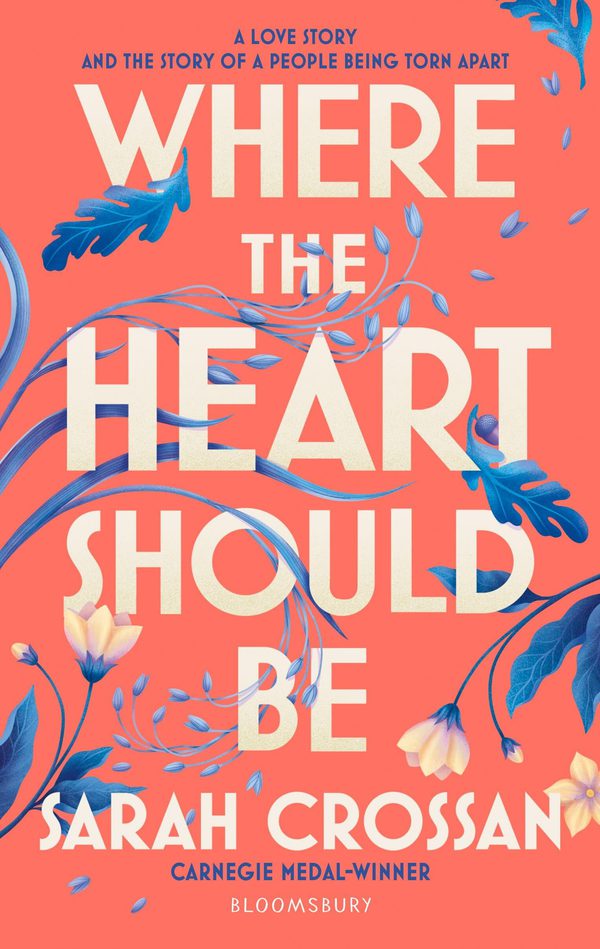
The award-winning author of We Come Apart delivers a breathtaking, moving tale of family, love and survival revolving around an Irish scullery maid working in a big manor during the Great Famine. This learning resource will support a class reading of Where the Heart Should Be by Sarah Crossan.
Note to teachers: We recommend reading the book carefully before using it in the classroom or recommending it to pupils, using your best judgement to determine whether the topics covered are appropriate for your class.
Outcomes and impacts
The content and activities in this learning resource are designed to support learning outcomes in relation to the curriculum as well as the UNCRC articles
Curriculum of Excellence:
- Social Studies (People, past events and societies) - I can describe attempts to resolve an international conflict and maintain the peace and can present my conclusion about how effective these attempts were. SOC 4-06c
- Social Studies (People, past events and societies) - I can use my knowledge of a historical period to interpret the evidence and present an informed view. SOC 3-01a
- Social Studies (People, past events and societies) - I can describe the main features of conflicting world belief systems in the past and can present informed views on the consequences of such conflict for societies then and since. SOC 4-04b
- Literacy (Understanding, analysing and evaluating) - I can: - Discuss and evaluate the effectiveness of structure, characterisation and/or setting using some supporting evidence - Identify how the writer’s main theme or central concerns are revealed and can recognise how they relate to my own and others’ experiences - Identify and make a personal evaluation of the effect of aspects of the writer’s style and other features appropriate to genre using some relevant evidence and terminology. ENG 4-19a
- Literacy (Organising and using information) - I can use notes and other types of writing to generate and develop ideas, retain and recall information, explore problems, make decisions, or create original text. I can make appropriate and responsible use of sources and acknowledge these appropriately. LIT 4-25a
UN Convention on the Rights of the Child (UNCRC):
- Article 13 (freedom of expression) Every child must be free to express their thoughts and opinions and to access all kinds of information, as long as it is within the law.
- Article 14 (freedom of thought, belief and religion) Every child has the right to think and believe what they choose and also to practise their religion, as long as they are not stopping other people from enjoying their rights. Governments must respect the rights and responsibilities of parents to guide their child as they grow up.
- Article 17 (access to information from the media) Every child has the right to reliable information from a variety of sources, and governments should encourage the media to provide information that children can understand. Governments must help protect children from materials that could harm them.
- Article 29 (goals of education) Education must develop every child’s personality, talents and abilities to the full. It must encourage the child’s respect for human rights, as well as respect for their parents, their own and other cultures, and the environment.
- Article 31 (leisure, play and culture) Every child has the right to relax, play and take part in a wide range of cultural and artistic activities