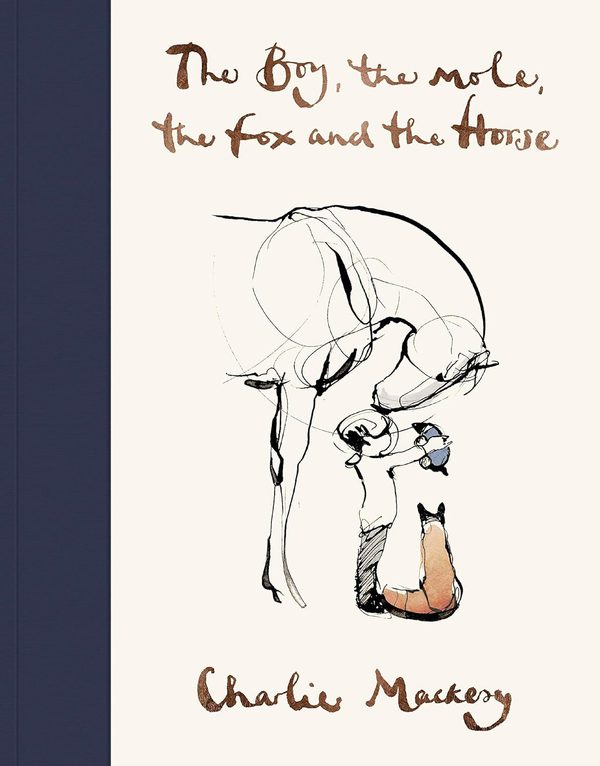
The Boy, the Mole, the Fox and the Horse by Charlie Mackesy: A Sensory Story
- Learning level
- First
- Genre
- Fiction
- Curriculum area
- Expressive Arts, Literacy & English
- Year published
- 2023
Accessibility + SEND
- Sensory event
- Learning disability friendly
A Sensory Story for those with complex additional support needs (including PMLD).
We’ve worked with Sensory Storyteller and Founder of My Kind of Book, Ailie Finlay, to create this resource to accompany Charlie Mackesy’s The Boy, the Mole, the Fox and the Horse
This book follows the story of the several interactions between a boy, a mole, a fox and a horse. Through their journey they delve into themes of friendship, empathy and philosophical insights on life, love and kindness.
Note to teachers: We recommend reading the book carefully before using it in the classroom or recommending it to pupils, using your best judgement to determine whether the topics covered are appropriate for your class.
Outcomes and impacts
The content and activities in this learning resource are designed to support learning outcomes in relation to the curriculum as well as the UNCRC articles
Curriculum of Excellence:
- Literacy and English (Reading - Understanding, analysing and evaluating) - I can share my thoughts about structure, characters and/or setting, recognise the writer’s message and relate it to my own experiences, and comment on the effective choice of words and other features. ENG 1-19a
- Literacy and English (Reading - Tools for reading) - I can use my knowledge of sight vocabulary, phonics, context clues, punctuation and grammar to read with understanding and expression. ENG 1-12a
- Literacy and English (Listening - Understanding, analysing and evaluating) - I can show my understanding of what I listen to or watch by responding to and asking different kinds of questions. LIT 1-07a
- Expressive Arts (Drama) - I have the freedom to choose and explore how I can use my voice, movement, and expression in role play and drama. EXA 0-12a
- Expressive Arts (Drama) - Inspired by a range of stimuli, I can express and communicate my ideas, thoughts and feelings through drama. EXA 0-13a / EXA 1-13a
UN Convention on the Rights of the Child (UNCRC):
- Article 28 (right to education) Every child has the right to an education. Primary education must be free and different forms of secondary education must be available to every child. Discipline in schools must respect children’s dignity and their rights. Richer countries must help poorer countries achieve this.
- Article 29 (goals of education) Education must develop every child’s personality, talents and abilities to the full. It must encourage the child’s respect for human rights, as well as respect for their parents, their own and other cultures, and the environment.
- Article 31 (leisure, play and culture) Every child has the right to relax, play and take part in a wide range of cultural and artistic activities