Understanding Discrimination and Microaggression with ‘Stand Up’ by Nikesh Shukla
- Learning level
- Third, Fourth
- Genre
- Fiction
- Curriculum area
- Expressive Arts, Literacy & English, Social Studies
- Year published
- 2023
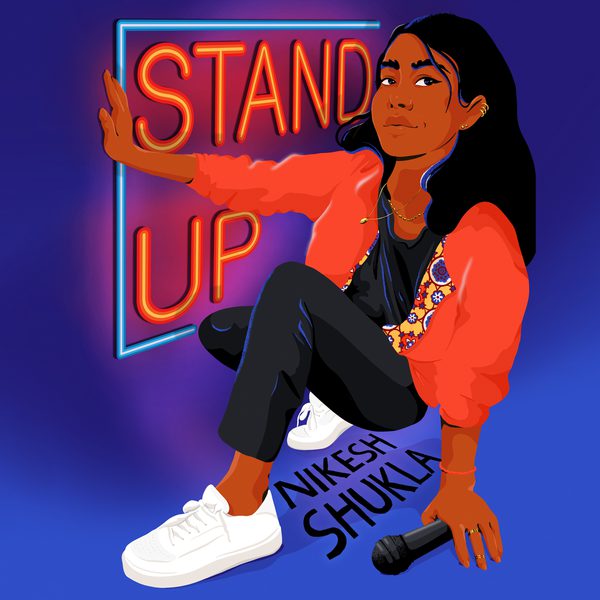
Explore themes of racism, microaggression and comic writing in 'Stand Up’ by Nikesh Shukla. This resource will help guide pupils through discussions about racism, activities to spot and talk about microaggressions and considerations on the impact of these moments in the book itself. It ends on a great creative writing task, encouraging pupils to give stand-up a go for themselves!
Note to teachers: We recommend reading the book carefully before using it in the classroom or recommending it to pupils, using your best judgement to determine whether the topics covered are appropriate for your class.
Outcomes and impacts
The content and activities in this learning resource are designed to support learning outcomes in relation to the curriculum as well as the UNCRC articles
Curriculum of Excellence:
- Literacy and English (Reading - Understanding, analysing and evaluating) - To show my understanding, I can give detailed, evaluative comments, with evidence, on the content and form of short and extended texts, and respond to different kinds of questions and other types of close reading tasks. ENG 4-17a
- Literacy and English (Writing - Tools for writing) - I can justify my choice and use of layout and presentation in terms of the intended impact on my reader. LIT 4-24a
- Expressive Arts (Drama) - I can analyse technical aspects of drama and scripts, make informed judgments and express considered opinions on my own and others’ work. EXA 4-15a
- Social Studies (People in society, economy and business) -Through discussion, I have identified aspects of a social issue to investigate and by gathering information I can assess its impact and the attitudes of the people affected. SOC 4-16b
- Social Studies (People in society, economy and business) - I can analyse the factors contributing to the development of a multicultural society and can express an informed view on issues associated with this. SOC 4-16c
UN Convention on the Rights of the Child (UNCRC):
- Article 13 (freedom of expression) Every child must be free to express their thoughts and opinions and to access all kinds of information, as long as it is within the law.
- Article 17 (access to information from the media) Every child has the right to reliable information from a variety of sources, and governments should encourage the media to provide information that children can understand. Governments must help protect children from materials that could harm them.
- Article 29 (goals of education) Education must develop every child’s personality, talents and abilities to the full. It must encourage the child’s respect for human rights, as well as respect for their parents, their own and other cultures, and the environment.
- Article 31 (leisure, play and culture) Every child has the right to relax, play and take part in a wide range of cultural and artistic activities